Spring Forward OT, LLC


402-235-9568

Prehabilitation
If you are here, you are probably at least somewhat familiar with the concept of rehabilitation, using therapy (OT, PT, speech, etc) after a medical emergency, procedure, or diagnosis to help gain strength, walk, do daily activities, and so forth. But why, in this society, do we only tend to look at therapy after the fact? Prehabilitation changes that model!
Prehabilitation, often called prehab for short, uses therapy to address areas of need before and during an upcoming procedures, such as surgery or chemotherapy. So often, when a procedure is planned, a patient may have only the most basic idea of what to expect. They might know how to prepare for the literal surgery (not eating after a certain hour the night before) or be handed crutches. The problem is, if there is any recovery time, you will need to figure out how to take care of yourself and manage daily activities in that time, with new restrictions and while not feeling your best. Your daily self care needs, new healing needs, and general quality of life should be planned for.

More and more often, research is showing the benefits of prehabilitation and using this holistic and early model in order to help you recover better.
Through prehabilitation, you are one step ahead. When a surgery or procedure inevitably impacts your day to day life, prehabilitation has set you up to be more prepared physically, mentally, and emotionally.
In other words, would you plan a trip without the slightest idea of what you would do or how to get there?
No. You would make some sort of plan.
The same should be for ourselves and our loved ones when facing medical procedures.

Next, let's look at some of the specific areas that Spring Forward OT addresses in the context of Prehabilitation.
Doctor's Orders and Precautions
WBAT
TTWB
NWB
PRN
ROM

Some examples include:
Non-weight bearing, no lifting more than (10) pounds, no range of motion, back or cervical precautions, hip precautions, keep the incision dry, and so on.
Spring Forward OT takes those orders, clearly translates what they mean for you, and helps you to follow them more easily and safely. Having OT work with you to teach strategies and skills before the procedure assures that afterward you will be more capable and prepared to follow the orders needed to heal properly.
Being told to be non-weight bearing on one foot is easy. Going to the bathroom, cooking a meal, carrying your cup of coffee, caring for a child or family member, or playing with your dog on one foot is not.

Mobility Devices


Typical crutches
Front wheel walker
Four wheel walker
Cane (single point, hemi, 4 point)
Alternative crutches (lofstrands, M+D)
Scooter
Wheelchair (manual, electric)
And more

Often, you will just be handed crutches.
Occasionally, you will have a doctor realize that you are safer on a walker or other device.
Frequently, you already use a device but now face using it differently, if at all.
There are many choices.
Occupational therapy in your home and community helps to evaluate the best fit for you. OT during prehab practices these skills early so as to prevent falls and help you still engage in the things you wish to do.

Other Equipment
Shower chair/tub bench
Walker tray
Toilet riser
Grab bars
One handed kitchen tools
Bed rails
Care cane and other vehicle equipment
.jpg)
There is so much adaptive equipment out there. I named a few common items above but even each item there has alternatives.
Equipment may be a permanent addition to your life or something temporary as you heal. Regardless, it will be necessary.
Occupational Therapists are the masters of adaptive equipment. Not only are we skilled at knowing what exists and how to safely use it, we also are skilled at "compensatory strategies" and "home hacks". In other words, we don't just push equipment at you. We work with you to find the best and most efficient solution to your needs.

Set Up of Environment

Homes are tricky. Let's be real, even modern homes are not built to meet all needs, let alone homes like mine that are over 100 years old! Accessibility was not the focus.
Even remodeled rooms can pose problems, like the one to the right. That bathroom is pretty but may pose problems if you need something to hold onto, need a non-slip surface to sit on, or have low vision, potentially causing all surfaces and the glass wall to blur into one.

Occupational therapists are trained to look at your home and environment in order to tie it into the specifics of your roles and activities. In other words, your environment can support or hinder you.
Home modifications can be major or minor and are absolutely not always needed. In many temporary situations, you and your family may work with OT to determine if your house or a particular room could benefit from a change or something being rearranged in order to navigate it more easily in prep for and after surgery. At other times, you may need or want to make additional modifications, especially if facing life changes that will be long-term. In any case, Spring Forward OT can assist with making sure your home fits you.
Physical Wellness and Strength
Strength and endurance matter for more than workouts. Strength and endurance are what fuel you through a day with all that has to be done. When healing from a procedure, it is common to decline in strength and have your body allocate a lot of your energy to healing.
Studies show that exercise guided by a therapist before a procedure can help you build up your strength and tolerance, making the impact of the procedure more tolerable.

Other areas and ways in which OT can physically help you to prepare:
-
Address stretching and range of motion to prevent/manage pain and prevent loss of range of motion
-
Teach movement strategies to limit blood clot risk
-
Assist with management of swelling and pain
-
Educate on post-op doctor orders that include movement (range of motion vs strength)
-
Facilitate building strength needed for new mobility devices or ways of moving
-
Improve activity tolerance


Mental Preparation
A surgery or procedure naturally can bring a lot of anxiety and questions.
A doctor answers the "What is happening or going to happen?" questions.
OT helps ease the "What's next?" and "How?".
Knowing what to expect and having a plan can significantly improve anxiety and depression. Additionally, engagement in meaningful daily activities is known to support mental health and well being and therefore using prehabilitation to stay as engaged as possible after a medical procedure is imperative.


Additionally, Spring Forward OT uses occupational therapy's roots in mental health to support the whole person, not just the physical.
Caregiver Planning
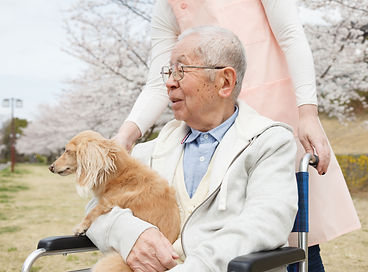
For most people, healing is not done in isolation but as part of a team, be that with your family, friends, and/or caregivers/staff.
Because Spring Forward OT brings therapy to you, it is much easier to involve these loved ones and caregivers into the discussion, planning, and questions. Similarly, they can be incorporated into training so as to best meet your needs.
Additionally, there are many times that someone is given weeks to months of time to heal but family is unable to take that full amount of time away from work or other duties. OT can help you be as independent as possible so that they can resume normal activities as much as possible. When necessary, OT can help determine how much care is needed in the home in order to be safe.
And So Much More...
It is impossible to list all of the ways that Prehabilitation can positively impact you, but here are a few additional ways:
-
Activity focused training (self care, hobbies, etc)
-
Nutrition and its impact on healing
-
Managing surgical bandages under doctor guidance
-
Consistency of therapist before and after your procedure
Prehab can mean a lot of different things to different people, based on your situation. The piece that is clear is that Prehab is such an important part of your surgical or procedure journey *and* that OT is a perfect complement to it.